


December 23, 2025
How to Turn Off Water to the Toilet: A Step-by-Step Guide
Need to stop a running or overflowing toilet fast? Learn how to turn off the water to your toilet using these simple steps. We’ll also cover tips for stuck valves, main shut-off options, and when to reach out to a professional plumber.
Need immediate plumbing help? Call (720) 780-9143 for emergency plumbing repairs in the Denver area.
How to Turn Off Water to the Toilet: A Homeowner’s Guide
When a toilet starts running nonstop, leaking around the base, or overflowing, your first instinct is usually to stop the water before the situation gets worse. Knowing how to turn off the water to the toilet is one of the simplest ways to prevent damage and avoid a messy cleanup. The good news is that almost every toilet has a built-in shut-off point, and once you know where to look, the process is quick and easy.
This guide walks you through how toilet shut-off valves work, what to do if you can’t find the valve, and how to stop water at the main line if necessary. These steps are helpful whether you’re dealing with an emergency or completing a repair.
- Locate the Toilet’s Shut-Off Valve
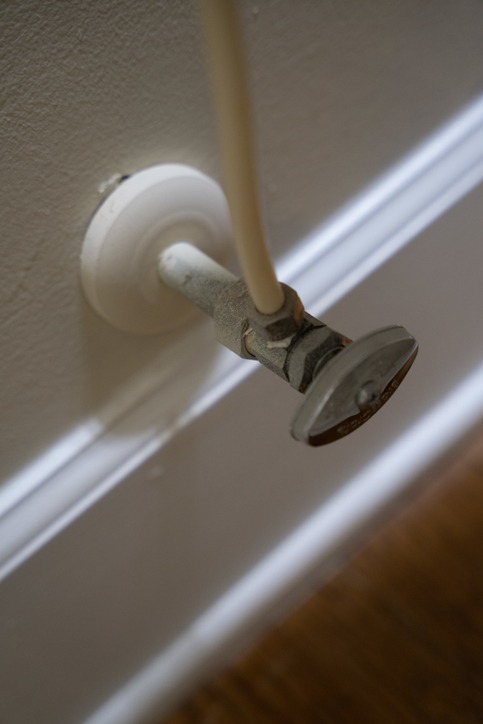
Most toilets have a dedicated shut-off valve located on the wall or floor right behind the toilet. It’s typically connected to a small supply line that runs from the water source to the bottom of the tank. The valve is usually chrome, plastic, or brass and shaped like either a small round knob or a lever.
If you’re wondering how to turn off water to the toilet quickly, this is the spot to check first. The valve should be easy to reach and clearly connected to the toilet’s fill valve.
- Turn the Valve to Stop the Water Flow
Once you’ve found the shut-off valve, grip the handle and turn it clockwise. This motion tightens the valve and stops water from traveling through the supply line and into the tank. In most homes, it takes just a few turns before the water shuts off completely.
After turning the valve, lift the toilet tank lid and confirm the water inside isn’t rising. If the water level holds steady, you’ve successfully stopped the flow. If water continues to move into the tank, the valve may not be closing fully and might need a firmer turn.
For lever-style valves, move the lever until it’s perpendicular to the supply line. This position indicates the valve is closed.
If the Valve Is Stuck or Hard to Turn
A stuck valve is a common issue, especially in older homes. Mineral buildup, corrosion, or long periods without use can cause the handle to seize up. Never force a valve aggressively, as that can lead to damage or cause the supply line to crack.
Instead, try gently wiggling the handle back and forth. Sometimes, small movements help break the mineral deposits loose. If you have a cloth or glove nearby, it can give you a better grip without scratching the valve. If it still won’t budge, avoid applying tools like pliers unless you’re comfortable with plumbing components.
In situations where the valve is completely stuck and won’t turn at all, you’ll need to use the home’s main water shut-off as a backup option.
Use the Main Water Shut-Off Valve as a Backup Option
If the toilet valve doesn’t work—or if your bathroom doesn’t have one—you can turn off the water to the entire house. This is not as convenient, but it will stop water to the toilet immediately.
Your home’s main valve is usually in one of three locations:
- Near the front foundation wall
- In the basement or mechanical room
- On an exterior wall near the outdoor spigot
Turn this valve clockwise, just like the toilet valve, until the water stops flowing. Once it’s off, you’ll be able to make repairs or stop an overflow safely.
- Flush to Remove Remaining Water
After shutting off the water at either valve, flush the toilet to drain the tank and bowl. The toilet will not refill since the water supply is off, leaving the tank empty. This step helps prevent further leaking and makes any repair work easier.
If the toilet was overflowing, mopping up remaining water right away helps limit damage to floors and baseboards. Lingering moisture can seep into flooring and cause long-term issues.
Common Reasons You May Need to Shut Off the Toilet Water
There are several situations where knowing how to turn off the water to the toilet becomes useful. Some of the most common include:
- A clogged toilet backing up into the bowl
- A running toilet that won’t stop filling
- A disconnected or broken fill valve
- Leaks at the base or around the supply line
- DIY repairs like replacing the flapper or fill valve
Stopping the flow of water can prevent damage and make troubleshooting easier.
When to Call a Professional Plumber
Turning the water off is often only the first step. If the toilet valve is broken, the supply line is leaking, the toilet won’t stop running, or you’re unsure how to proceed safely, it’s best to call a licensed plumber. Plumbing issues can escalate quickly, and expert repairs help protect your home from costly water damage.
Call Applewood Plumbing Heating & Electric for Fast, Reliable Help
If your toilet is overflowing, leaking, or the shut-off valve won’t turn, the experts at Applewood Plumbing Heating & Electric are here to help. Our licensed plumbers arrive on time, treat your home with respect, and offer service 7 days a week with no overtime charges. We’ve helped Colorado homeowners for more than 50 years, and we’re ready to help you, too.
Call (720) 780-9143 for emergency plumbing repairs in the Denver area.